
Views: 0 Author: Site Editor Publish Time: 2026-03-17 Origin: Site


Modern vehicles depend on far more than just the engine and transmission. Underneath the body lies a complex structural and mechanical network that keeps the vehicle stable, safe, and responsive on the road. This system is known as the chassis, and the parts attached to it are essential to handling, braking, ride comfort, and load support. For drivers, workshop buyers, and auto parts distributors alike, understanding what auto chassis parts are is useful not only for maintenance planning but also for identifying wear before it develops into a more serious safety issue. Whether you operate passenger cars, commercial vans, or light trucks, chassis-related problems can directly affect road performance, tire life, steering precision, and braking distance.
When people think about vehicle performance, they often focus on horsepower, fuel economy, or transmission quality. However, auto chassis parts are what connect all that power to real-world control. The chassis supports the vehicle’s body and provides the base for the suspension, steering, wheels, and brake systems. In simple terms, it is the platform that allows a vehicle to move safely and smoothly.
A healthy chassis system helps with:
· maintaining vehicle balance
· absorbing road shock
· supporting braking efficiency
· improving steering response
· protecting tires from uneven wear
· increasing driving comfort and safety
If even one major chassis component begins to fail, the entire driving experience can change. You may notice vibration, pulling, clunking noises, or reduced stability when turning or braking.
The term auto chassis parts covers a broad range of components. Some are structural, while others are responsible for motion control and ride quality. Below are the major categories commonly found in most vehicles.
Core chassis-related components include:
· suspension parts
· steering parts
· braking support components
· wheel hub assemblies
· control arms
· bushings and mounts
· stabilizer links and bars
· ball joints
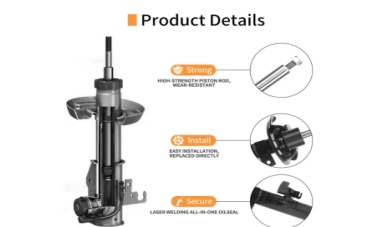
· shock absorbers and struts
· subframes and crossmembers
These parts work together rather than independently. For example, a worn ball joint may affect steering feel, while a damaged bushing may lead to noise, poor alignment, and faster tire wear.
Among all chassis system components, suspension parts are some of the most important. Their job is to absorb shocks from the road and keep the tires in firm contact with the surface.
Common suspension parts:
· shock absorbers
· struts
· coil springs
· leaf springs
· control arms
· sway bar links
· bushings
· ball joints
Each part contributes to ride control. Shock absorbers reduce excessive bouncing. Springs support vehicle weight. Control arms guide wheel movement. Bushings isolate vibration and allow limited flexibility at connection points.
A failing suspension system often leads to:
· excessive bouncing after bumps
· knocking or clunking over rough roads
· uneven tire wear
· poor cornering stability
· vehicle sagging on one side
These are common chassis failure signs that should not be ignored, especially in vehicles used for delivery, transport, or heavy daily driving.
Steering-related auto chassis parts allow the driver to control direction with precision. Even minor wear in this area can lead to vague steering, delayed response, or a loose driving feel.
Key steering components include:
· tie rod ends
· steering rack
· steering knuckles
· idler arms
· pitman arms
· bushings
· wheel bearings in related assemblies
When these parts wear out, the vehicle may no longer track straight or respond accurately to driver input. Steering problems are especially dangerous at highway speeds or during emergency maneuvers.
Warning signs of steering-related wear:
1. steering wheel vibration
2. looseness or play in the wheel
3. drifting left or right
4. clicking or knocking when turning
5. uneven steering effort
If these symptoms appear together, the issue may involve several chassis components rather than just one isolated part.
While brake pads and discs often receive the most attention, the chassis also includes several supporting parts that affect braking stability and control. These include brackets, hub assemblies, suspension connections, and steering components that help the wheels remain correctly aligned during braking.
Below is a simple table to help explain major auto chassis parts, their functions, and common failure signs.
Part | Main Function | Common Failure Signs |
Control Arm | Connects wheel hub to frame and controls wheel motion | Clunking noise, poor alignment, unstable handling |
Ball Joint | Allows smooth steering and suspension movement | Knocking, loose steering, uneven tire wear |
Bushing | Reduces vibration and cushions component movement | Squeaking, vibration, harsh ride |
Shock Absorber | Controls rebound and road impact | Excessive bouncing, fluid leakage, longer stopping feel |
Stabilizer Link | Reduces body roll when turning | Rattling, body lean, loose cornering feel |
Tie Rod End | Transfers steering input to wheels | Wandering, uneven tire wear, steering play |
Wheel Hub Bearing | Supports wheel rotation | Humming noise, wheel wobble, vibration |
This table shows why common chassis failure signs can overlap. One symptom, such as uneven tire wear, may be linked to several different parts.
Many discussions focus only on moving parts, but structural parts also matter. The chassis is not just about suspension and steering. It also includes load-bearing sections that hold everything together.
Important structural elements:
· subframe
· crossmember
· mounting brackets
· axle support points
· frame reinforcements
If these parts become bent, corroded, or cracked, the problem may affect alignment and long-term durability. In regions with humidity, road salt, or poor road conditions, structural damage can develop gradually and remain unnoticed until more serious symptoms appear.
For fleet owners and parts buyers, checking structural chassis integrity is especially important when handling older vehicles or vehicles with accident history.
Drivers often ask not just what auto chassis parts are, but how to tell when they are failing. In practice, the early symptoms are usually easy to recognize if you know what to look for.
Common warning signs include:
· unusual noise from underneath the vehicle
· vibration through the steering wheel or floor
· vehicle pulling to one side
· excessive body roll during turns
· uneven or rapid tire wear
· poor braking stability
· knocking when driving over bumps
· loose steering feel
These warning signs can appear slowly or suddenly. A worn bushing may start as a faint squeak. A failing ball joint may begin as minor looseness and eventually become a serious safety hazard. The key is to address symptoms early rather than wait for complete failure.
Like all vehicle components, auto chassis parts wear over time. However, several conditions can accelerate damage.
Main causes of chassis wear:
· rough road conditions
· overloaded vehicles
· poor driving habits
· lack of regular inspection
· water, mud, and corrosion exposure
· low-quality replacement parts
· improper installation or alignment
Commercial vehicles and vehicles in urban stop-and-go traffic often place more stress on chassis components. Repeated turning, braking, and carrying loads all shorten service life. This is why selecting durable parts and maintaining consistent inspection schedules is so important.
Not all replacement parts perform the same way. Material quality, machining accuracy, rubber formulation, and fitment consistency all influence service life. When sourcing suspension and steering parts, it is important to consider more than price alone.
Key factors when selecting chassis parts:
· vehicle compatibility
· material durability
· corrosion resistance
· dimensional accuracy
· stable supply capability
· consistent quality control
For distributors, workshops, and fleet maintenance teams, reliable sourcing can reduce return rates and improve customer satisfaction. For drivers, better parts usually mean better safety, longer durability, and fewer repeat repairs.
Understanding what auto chassis parts are helps vehicle owners and buyers make better maintenance decisions. These parts may stay out of sight, but they play a central role in safety, comfort, handling, and long-term operating cost. From control arms and bushings to tie rod ends, shocks, and hub bearings, each component contributes to the stability of the entire vehicle. When common failure signs such as vibration, clunking, pulling, or uneven tire wear begin to appear, early inspection is the smartest next step. At Guangzhou Eep Auto Parts Co., Ltd., we work with customers who need dependable chassis parts for different vehicle applications, and we understand how important consistency, fitment, and product reliability are in real market conditions. If you want to explore more about chassis solutions, replacement options, or suitable parts for your business, you are welcome to learn more from our team in a practical and professional way.
Auto chassis parts are the components connected to the vehicle’s supporting framework. They mainly include suspension, steering, wheel support, and related structural parts that help the car stay stable, steer properly, and absorb road impact.
Some of the most frequently replaced chassis parts include bushings, ball joints, control arms, stabilizer links, tie rod ends, and shock absorbers. Their wear rate depends on road conditions, driving habits, and vehicle load.
Yes. Worn chassis components can cause poor alignment, unstable wheel movement, and uneven road contact. This often leads to irregular tire wear and shorter tire service life.
A basic inspection is recommended during routine maintenance, tire service, or alignment checks. Vehicles that operate on rough roads or carry heavier loads may need more frequent chassis inspections.