
Views: 0 Author: Site Editor Publish Time: 2026-03-20 Origin: Site


A vehicle’s suspension system does far more than make the ride feel comfortable. It helps the tires stay in contact with the road, supports vehicle stability during braking and cornering, and reduces the impact of bumps, potholes, and uneven surfaces. When suspension parts begin to wear out, the problem is not limited to noise or ride quality. Drivers may also notice longer stopping distances, uneven tire wear, poor steering response, and reduced control at higher speeds. That is why understanding the main suspension parts is important not only for mechanics and parts buyers, but also for distributors, workshops, and everyday vehicle owners who want to maintain safety and performance over time.
Many people only think about suspension when the car starts bouncing, leaning, or making knocking sounds. In reality, suspension parts are always working in the background. Every turn, every acceleration, and every road imperfection puts stress on these components.
A healthy suspension system helps with:
· ride comfort
· steering stability
· braking balance
· tire life
· driver confidence on rough roads
When one component wears out, it often affects the performance of nearby parts. A weak shock absorber, for example, can increase stress on springs, mounts, bushings, and tires. For that reason, suspension system replacement is often about looking at the full condition of the assembly rather than treating each part in isolation.
The table below gives a simple overview of the most important car suspension components and the most common reasons they are replaced.
Component | Main Function | Common Warning Signs | Typical Replacement Reason |
Shock Absorbers | Control rebound and vibration | Excessive bouncing, oil leakage | Damping performance drops |
Struts | Combine damping and structural support | Nose-diving, poor handling, noise | Wear affects ride and alignment |
Coil Springs | Support vehicle weight and ride height | Sagging, uneven height | Fatigue or breakage |
Control Arms | Connect suspension to chassis | Clunking, steering instability | Joint or arm wear |
Ball Joints | Allow controlled pivoting movement | Clicking, looseness, tire wear | Excessive play |
Bushings | Cushion metal-to-metal contact | Vibration, squeaking, wandering | Rubber cracking or deformation |
Sway Bars | Reduce body roll in turns | Excessive leaning | Reduced stability |
Sway Bar Links | Connect sway bar to suspension | Rattling over bumps | Joint or link wear |
Strut Mounts | Support struts and absorb vibration | Steering noise, vibration | Mount rubber or bearing failure |
These two parts are often discussed together because they both control vehicle motion. Still, they are not exactly the same.
Shock absorbers manage spring movement. Without them, the car would continue to bounce after hitting a bump. When shocks wear out, the vehicle may feel unstable, especially at highway speed or on uneven roads.
Common signs of worn shocks include:
· repeated bouncing after bumps
· fluid leakage
· increased stopping distance
· cupped or irregular tire wear
In many driving conditions, shocks may need inspection after moderate mileage, but replacement timing depends heavily on road quality, load, and driving habits.
Struts perform a dual role. They act as dampers, like shocks, but they also provide structural support for the suspension assembly. Because of this design, worn struts can affect ride comfort, wheel alignment, and steering behavior.
Drivers often replace struts when they notice:
· front-end dipping during braking
· poor cornering stability
· knocking from the suspension area
· a harsh or floaty ride
For workshops and parts buyers, struts are one of the most important suspension parts because failure can influence several systems at once.
Some suspension components absorb force, while others guide motion. Springs, control arms, and ball joints work together to keep that motion controlled.
Coil springs support the weight of the vehicle and maintain proper ride height. If a spring weakens or breaks, the car may sit lower on one side, bottom out more easily, or feel less balanced under load.
Replace springs when you see:
· noticeable sagging
· broken coils
· uneven vehicle height
· frequent contact with the bump stop
Control arms connect the wheel hub area to the vehicle frame and allow up-and-down wheel movement. They help maintain correct geometry while the car moves over changing road surfaces.
A damaged or worn control arm may cause:
· clunking noises
· shaky steering feel
· uneven tire wear
· alignment problems that keep returning
Ball joints allow the suspension and steering knuckle to move together smoothly. When they develop excessive play, handling can become vague and tire wear often increases.
Typical replacement signs include:
· metallic clicking or knocking
· wandering steering
· uneven inside or outside tire wear
· looseness during inspection
Because ball joints are safety-critical, they should never be ignored once wear is confirmed.
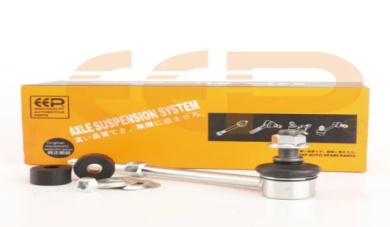
This group of parts is smaller and often less visible, but they play a major role in ride refinement and cornering control.
Bushings are usually made from rubber or similar materials and sit between metal suspension parts to absorb vibration and reduce friction. Over time, heat, moisture, and road contamination can cause them to crack, harden, or deform.
Worn bushings may cause:
· squeaking
· extra cabin vibration
· loose handling feel
· unstable braking response
A sway bar, also called a stabilizer bar, helps reduce body roll when the vehicle turns. It improves balance and gives the driver a more planted feel in corners.
If the sway bar system is not working properly, the vehicle may lean excessively or feel less stable during lane changes.
Sway bar links connect the sway bar to the suspension. These links are exposed to constant movement and can wear relatively quickly on rough roads.
Common symptoms include:
· rattling over small bumps
· knocking during low-speed turns
· reduced cornering confidence
While sway bar links may seem minor, replacing them at the right time can noticeably improve overall vehicle feel.
Strut mounts sit at the top of the strut assembly and help secure it to the vehicle body. Many designs also include a bearing that supports steering movement. Because they absorb vibration and carry load, strut mounts are often overlooked until the driver hears noise or feels harshness through the steering wheel.
Replace strut mounts when there is:
· a knocking sound from the upper suspension area
· steering stiffness or rough turning feel
· visible cracking in the mount material
· vibration that remains even after strut replacement
In practice, strut mounts are often changed together with struts because labor overlaps and wear tends to occur at a similar stage.
Even without a full technical inspection, there are several symptoms that suggest suspension system replacement may be necessary.
Look for these signs:
1. The car bounces too much after bumps
This usually points to worn shocks or struts.
2. The vehicle pulls, drifts, or feels unstable
Control arms, ball joints, or bushings may be involved.
3. There are clunks, squeaks, or rattles
Noise often comes from links, mounts, or worn rubber components.
4. Tire wear is uneven
Suspension wear can disturb wheel alignment and tire contact.
5. The car sits lower on one side
This is a common sign of spring fatigue or breakage.
6. Body roll feels worse in corners
Sway bars, links, or dampers may no longer be performing correctly.
A proper inspection should confirm the actual cause, since different components can produce similar symptoms.
Suspension parts wear gradually, which is why many drivers adapt to declining ride quality without realizing how much control and comfort they have lost. A vehicle with fresh shocks, solid bushings, stable control arms, and properly functioning links feels more predictable, more comfortable, and more secure in daily driving. Whether you are sourcing parts for maintenance, resale, or workshop service, understanding how these 9 essential components work makes it easier to identify problems early and choose replacements with confidence. At Guangzhou Eep Auto Parts Co., Ltd., we believe good suspension service starts with clear product knowledge and consistent part quality. If you would like to learn more about suspension parts, fitment options, or replacement planning for different vehicle models, you are welcome to contact our team for further information and practical support.
Shock absorbers mainly control spring movement and reduce bouncing, while struts combine damping with structural support. Struts usually have a greater effect on suspension geometry and alignment.
Yes, but it depends on the condition of the surrounding components. In many cases, replacing only one worn part solves the issue. However, paired components and related hardware should always be inspected to avoid uneven performance.
Yes. Worn suspension parts can change wheel movement and road contact, which often leads to uneven tire wear, reduced traction, and the need for more frequent alignment correction.
Sway bar links, bushings, shock absorbers, and ball joints often wear faster on rough roads because they absorb frequent impacts, vibration, and repeated movement.