


High Strength Cast Iron/Aluminum Alloy Cylinder Body:
With ultra-high pressure and structural rigidity, it can reliably withstand ultra-high brake fluid pressure, ensure that brake commands are transmitted without deformation, and guarantee system safety under extreme working conditions.
Precision Alloy Steel Piston Components:
Wear resistant, corrosion-resistant, and precision sealed. The alloy steel piston with surface hardening treatment has extremely low wear during high-pressure and high-speed reciprocating motion, and is closely matched with the seal to maintain long-term stable hydraulic pressure output and prevent internal leakage.
Oil Resistant and High-Temperature Resistant Rubber Seals:
Dynamic and reliable sealing. Special rubber materials such as EPDM or NBR have excellent resistance to brake fluid corrosion, high pressure, high temperature, and elastic recovery ability, ensuring a tight seal throughout the piston movement and eliminating the risk of pressure leakage and failure.

 | Model-specific solutions: Customized products for rare or older Toyota, Honda, Nissan, and other Asian brand models. |
Technical assistance: Expert advice on product selection, installation, bleeding procedures, and troubleshooting from our automotive specialists. | 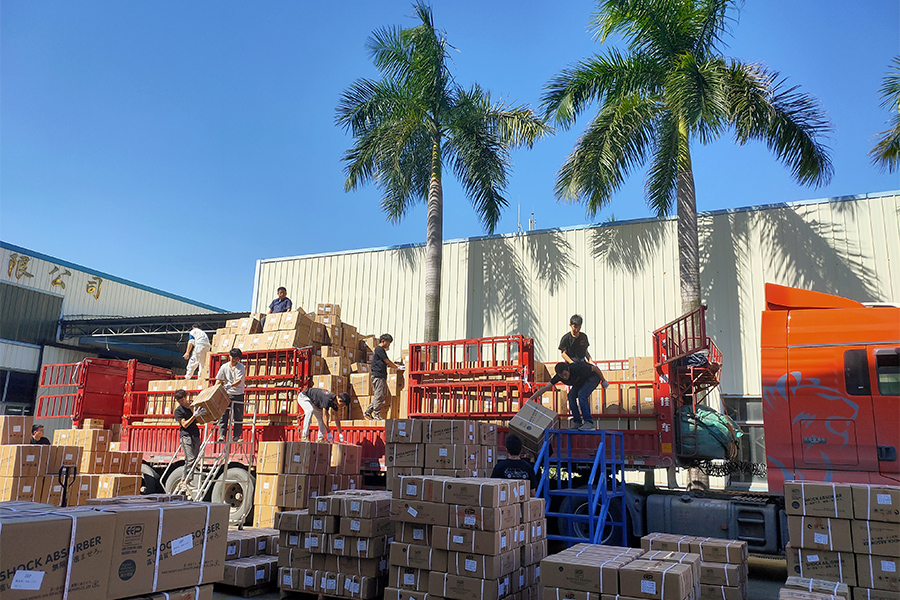 |
 | Fast global shipping: Efficient logistics to deliver products to repair shops, distributors, and end-users worldwide. |
Warranty protection: Comprehensive warranty covering manufacturing defects, ensuring confidence in product performance. |  |
The brake master cylinder is critical for converting pedal pressure into hydraulic force, directly impacting braking performance and safety. A low-quality unit may cause brake fade, inconsistent stopping power, or leakage, leading to dangerous driving conditions.
Yes, our brake master cylinders are specifically engineered to fit Hyundai and Kia models, including Elantra, Sonata, Sportage, and Sorento. Please provide your vehicle’s year, make, and model for precise compatibility confirmation.
Regularly check brake fluid levels and condition (replace fluid every 2-3 years), inspect for leaks around the cylinder or brake lines, and ensure the reservoir cap is sealed tightly. If you notice a spongy pedal or reduced braking performance, have the cylinder inspected immediately.
While installation is possible for DIY enthusiasts, we recommend professional installation to ensure proper bleeding of the brake system and optimal performance. Improper installation may lead to air in the lines, reducing braking efficiency.